




August 1, 2026
An exploration of the integration between clinical processing, nervous system regulation, and bioenergetic therapy.
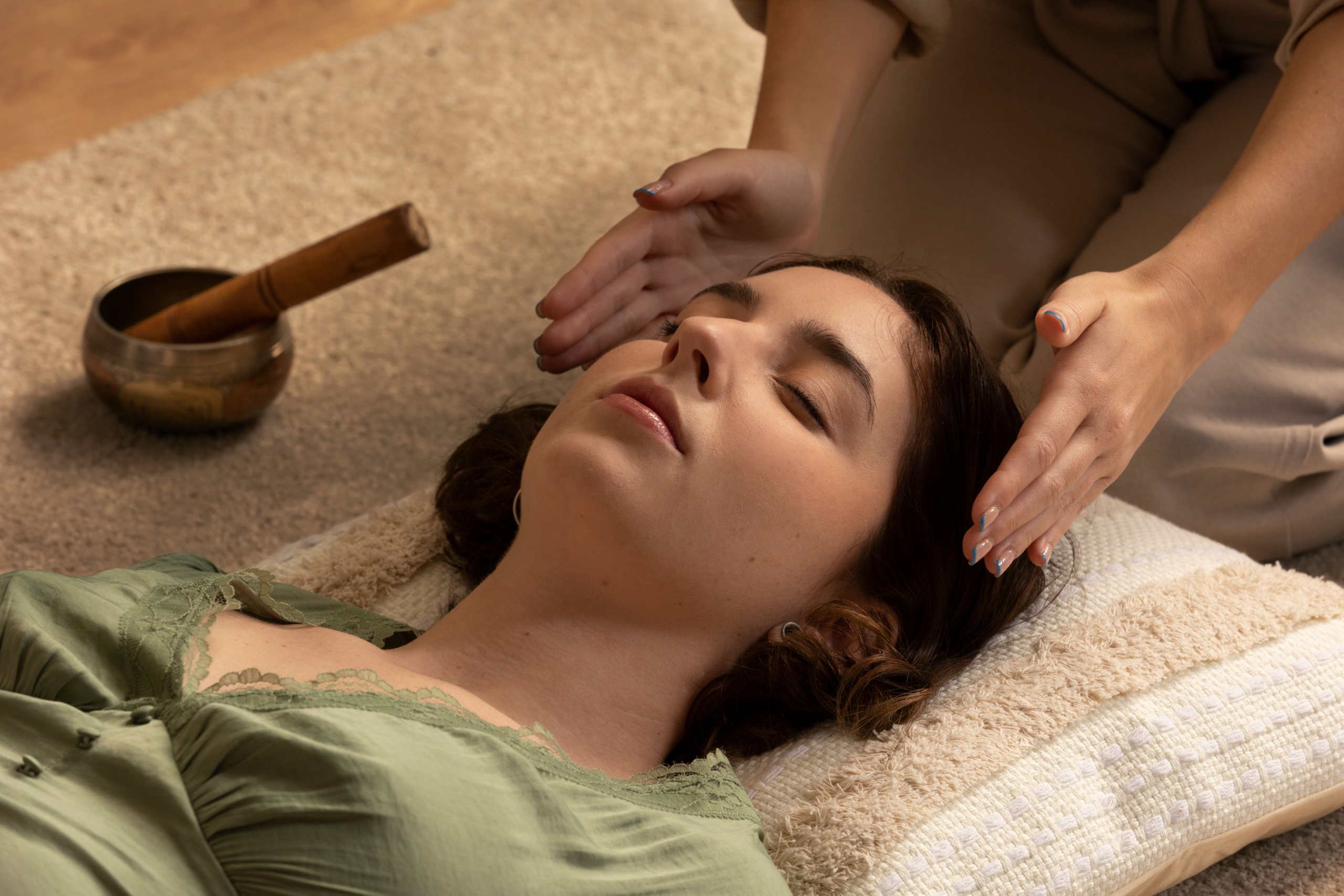
Reiki is a practice of Japanese origin based on the laying on of hands and subtle contact (or energetic attunement), aimed at restoring the flow and energetic balance of the organism. Unlike therapeutic massage—which works directly on muscle structure and fascia through pressure and movement—Reiki acts on the bioelectromagnetic field and the autonomic nervous system without the need for physical manipulation (1, 2).
For a long time, techniques involving the laying on of hands or energetic channeling were viewed as practices foreign to mental health. However, disciplines such as psychoneuroimmunology and somatic psychology invite us today to explore how the mind, the nervous system, and physiological responses interact as an integrated system.
Integrating Reiki within a psychotherapeutic framework does not seek to replace talk therapy or offer magical solutions. Instead, it proposes a non-invasive complement that helps send signals of calm to the organism and supports the release of accumulated stress (1).
In clinical practice, interventions based exclusively on verbal narrative encounter a clear limit when facing complex trauma (2). Overwhelming experiences are not always organized into logical thoughts; they are often retained in the subcortical structures of the brain and in the tone of the autonomic nervous system.
In addressing trauma and chronic stress, it is essential to recognize that overwhelming experiences do not only translate into thoughts or muscle tension; they alter the energetic coherence of the organism and the response of the nervous system (3, 4). This happens because, in the face of perceived threats, the organism activates survival responses that can become chronic. To support regulation, an integrative approach can be articulated across two levels:
Structure and Explicit Processing: Clinical psychology provides the indispensable framework of containment: the therapeutic alliance, the deconstruction of limiting beliefs, cognitive restructuring, and the conscious integration of life history (3).
Modulation of the Autonomic State: Fostering the reduction of tension and calming hypervigilance facilitates a state of greater bodily receptivity for processing held emotion. Reiki and gentle therapeutic touch can act directly on the parasympathetic response. This also allows individuals with high touch-reactivity or rigid somatic defenses to experience a decrease in alarm state without feeling invaded (1, 5).
We can conclude, then, that by combining verbal work with bodily and bioenergetic regulation tools, we accompany the person not only in understanding their history, but in cultivating a sense of greater safety within their own skin.
One of the greatest challenges in trauma treatment is the window of tolerance: when a person attempts to talk about their pain while under a dysregulated nervous system, the verbal narrative can re-trigger the alarm response or lead to dissociation.
Research in biophysics and psychoneuroimmunology suggests that energy emission therapies and subtle touch can influence central nervous system rhythms, favoring brain waves in the Alpha and Theta ranges associated with deep meditation and cellular self-repair (2, 5). By inducing a state of physiological attenuation, cortisol levels drop and heart rate decreases, allowing the body to experience an organic “handbrake” effect (1, 4). In that space of safe calm, the person does not need to defend themselves; the tension accumulated in the fascia and deep musculature begins to yield spontaneously (5).
Reiki does not manipulate the body’s structure; it restores energetic coherence so the mind can inhabit a calm organism.
Reiki acts as a silent catalyst: it decreases skin conductance, modulates heart rate variability (HRV), and helps dissolve energetic blockages perceived by the patient as emptiness, heaviness, or localized distress (1, 2). This bioenergetic attunement creates a physiological “handbrake” that allows the person to reprocess emotional content without falling into re-traumatization or dissociation.
By reducing autonomic overload, the mind regains its processing capacity. Non-invasive contact acts as an anchor in the present moment, reminding the organism that the original threat has ceased—opening the door to an emotional integration that a purely rational path could not fully achieve (2, 3).
Reiki offers the somatic neutrality that clinical narrative needs to integrate into the individual’s lived experience.
Addressing the complexity of human suffering invites us to transcend the boundaries between isolated disciplines and engage in dialogue from a multidimensional perspective.
By articulating clinical psychology alongside somatic and energetic regulation tools, we open a respectful path for the body to soften its automatic defensive responses and for the mind to progressively settle into the present.
We can conclude, then, that the integration of these approaches does not constitute an exclusive alternative, but rather an invitation to build bridges between clinical science and body wisdom to promote holistic health.
The available scientific literature in psychoneuroimmunology and somatic therapies suggests that therapeutic touch and bioenergetic stimulation interventions induce significant modulation of the autonomic nervous system, increasing parasympathetic tone and decreasing physiological markers of stress such as cortisol and muscle tension.
Furthermore, trauma psychology research strongly supports that combining verbal processing with bodily regulation improves treatment adherence and facilitates the resolution of post-traumatic symptomatology.
Kim, S. H., Lee, M. S., et al. (2013). Effectiveness of Reiki Therapy: A Systematic Review of Randomized Controlled Trials. Journal of Alternative and Complementary Medicine, 19(11), 857–866.
Baldwin, A. L., Vitale, A., et al. (2017). Effects of Reiki on Autonomic Nervous System Function and Stress in Health and Disease. The Journal of Alternative and Complementary Medicine, 23(3), 184–195.
Courtois, C. A., & Ford, J. D. (2013). Treating Complex Trauma: A Relational Blueprint for Collaboration and Change. Guilford Press.
Ogden, P. (2007). Somatic Psychotherapy: A Body-Centered Approach. Psychotherapy in Australia, 13(2), 16–23.
Jain, S., & Mills, P. J. (2010). Biofield therapies: helpful or full of hype? A best evidence synthesis. International Journal of Behavioral Medicine, 17(1), 1–16.
The integration of somatic and energetic approaches does not replace psychotherapy; rather, it acts as a biological catalyst to foster nervous system regulation and the integration of clinical experience.
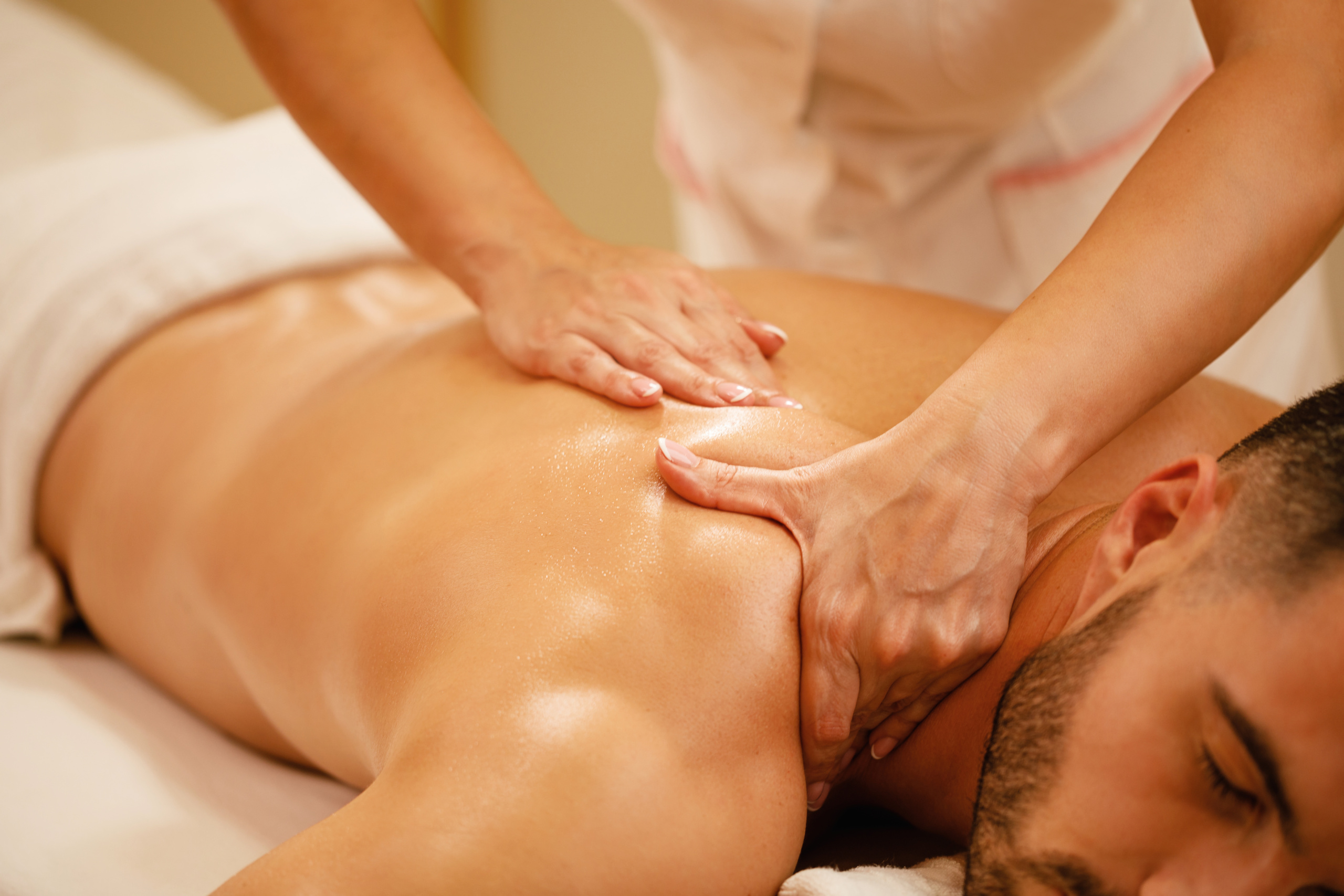
Where exactly is that ancient fear stored in our tissues, and how can we release it through touch? Discover the relationship between fascia, body memory, and nervous system regulation.
RELATED READINGS

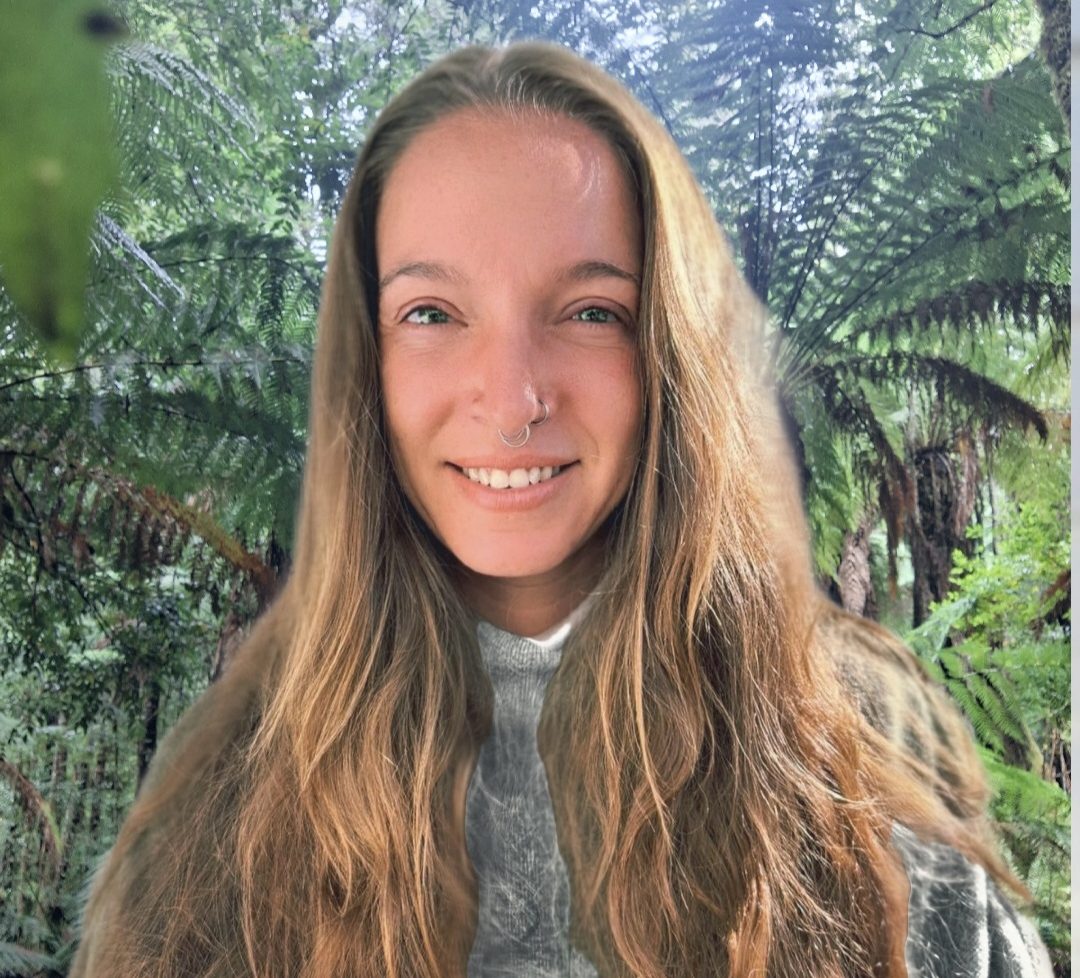
I'm a psychologist specializing in health, the mind-body connection, and personal transformation. I write about psychology, science, and the human experience through an integrative, evidence-informed lens.

© 2026 Beatriz Aroca Costa | Ecology of Being. All rights reserved.