




August 1, 2026
How overwhelming experiences can shape the brain, the body, and our sense of safety through changes in nervous system regulation and body awareness.
Why does our heart race, our chest tighten, or our body become completely frozen when a painful memory is triggered?
Contemporary neuroscience increasingly supports what many humanistic and body-oriented approaches have long suggested: trauma is not only a memory that lives in our thoughts, but a biological imprint that can remain active within the nervous system, influencing posture, muscle tone, and patterns of physiological response.
When we experience trauma, its impact can profoundly affect both brain function and bodily regulation. It is not simply a matter of being unable to “get over” a painful event; rather, it involves a survival-oriented reorganisation of the nervous system.
As psychiatrist Bessel van der Kolk has described, overwhelming experiences may become expressed through chronic muscular tension and persistent autonomic dysregulation, shaping the way the body responds long after the original event has passed (1). This neurobiological pattern can manifest in everyday symptoms such as hypervigilance, exaggerated startle responses, and significant difficulty regulating emotional states.
Chronic trauma is not an abstract concept; it can affect the structure, connectivity, and functioning of brain regions involved in threat detection, emotional processing, and the perception of time.
Amygdala hijacking (Hypervigilance): The amygdala functions as the brain’s alarm system. Following a traumatic event, this structure may become hypersensitive. For people living with post-traumatic stress disorder (PTSD), seemingly harmless cues in the present—a tone of voice, a familiar smell, or a change in lighting—can trigger the alarm as though the danger were happening here and now, releasing stress hormones such as cortisol and adrenaline (2).
Reduced activity in Broca’s area (When words disappear): Neuroimaging studies have shown that, during traumatic reactivation, Broca’s area—the region involved in language production and the verbal organisation of experience—may show reduced activity. This helps explain why putting traumatic experiences into words can become extremely difficult, and why body-based approaches should be understood as complementary to talk therapy rather than as alternatives to it (3).
Changes in the hippocampus (When time feels frozen): The hippocampus helps place memories within their proper context and timeline. Chronic stress and prolonged exposure to elevated cortisol levels may alter both its functioning and its volume. When this system becomes disrupted, traumatic memories may feel less like events from the past and more like ongoing threats, causing the body to respond as if the danger were still present (4).
In many cases, post-traumatic symptoms can be understood as a nervous system trapped in a survival loop—a body responding today with strategies that were once necessary for protection.
One of the most painful consequences of trauma may be the disruption of interoception: our ability to perceive internal bodily signals such as heartbeat, breathing, muscle tension, and sensations arising from the stomach and chest.
Research suggests that trauma may affect the functioning of the insula, a brain region involved in body awareness and emotional processing.
When internal sensations become associated with fear or danger, we may begin to disconnect from bodily awareness as a protective strategy (5). This can have several consequences:
Reduced emotional range: As our capacity to feel distress diminishes, so too may our ability to experience safety, calm, pleasure, and connection. The body may begin to feel rigid, distant, or unfamiliar.
A somatic pathway to recovery: If trauma affects both the brain and the body through lived bodily experience, recovery cannot rely solely on intellectual understanding.
Understanding this biological reality fundamentally changes the therapeutic landscape.
Trauma does not simply live in memory; it is reflected in a body and nervous system that remain organised around survival.
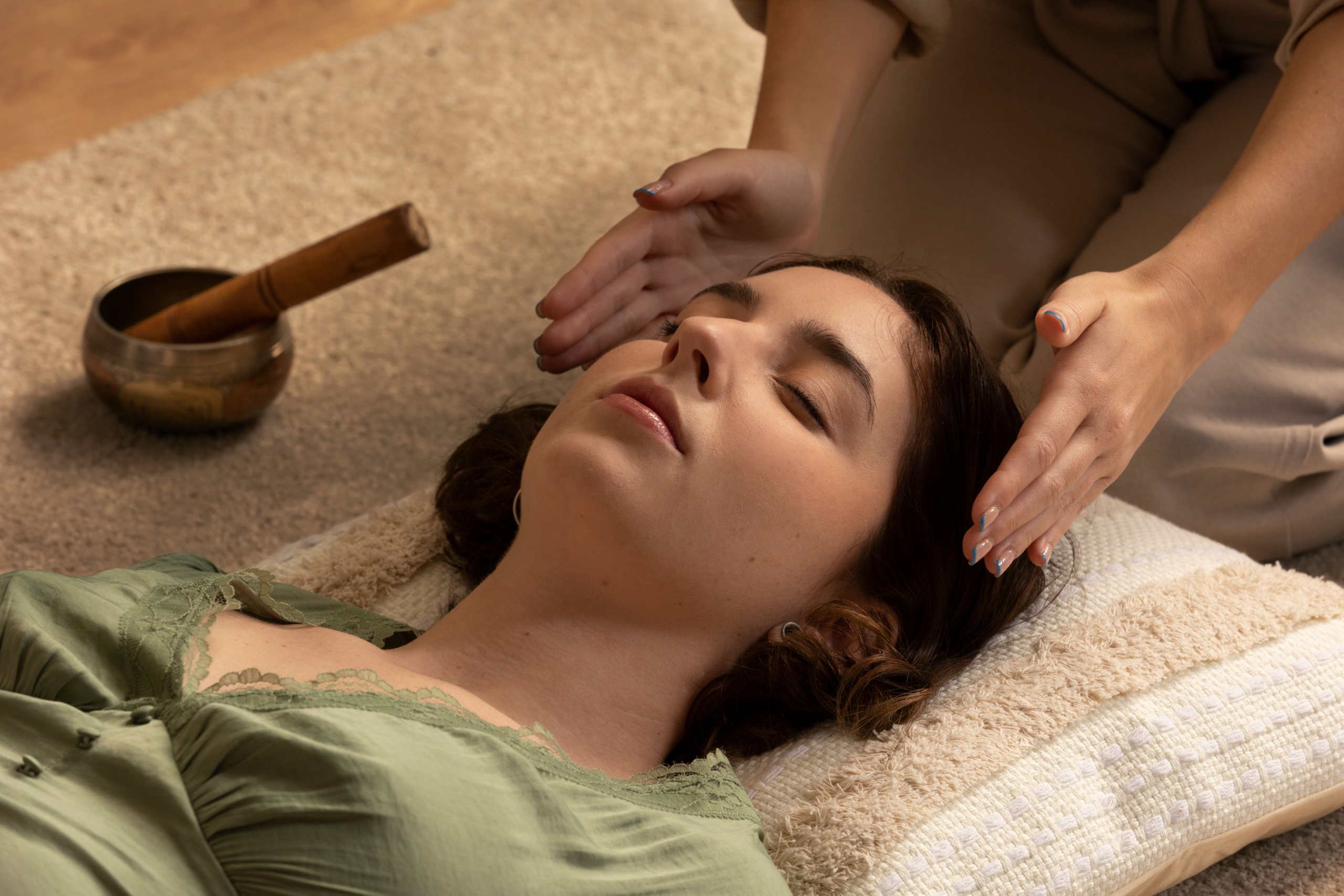
Somatic approaches, movement, breathwork, therapeutic touch, and practices that restore interoceptive awareness can help create new experiences of safety that the nervous system can gradually learn to trust.
By working directly with the body and its physiological responses, these approaches may support the nervous system in reshaping its perception of the environment, gradually moving beyond the persistent cycle of threat and hypervigilance.
This mind-body approach to trauma integration can help people reclaim the ability to inhabit their bodies without the constant burden of physiological activation or emotional disconnection.
Ultimately, understanding the neurobiology of trauma is a first step towards reducing the stigma surrounding post-traumatic symptoms. These responses are not signs of weakness or a lack of willpower, but intelligent biological adaptations that can gradually be regulated through experiences of safety.
Van der Kolk, B. A. (2014). The Body Keeps the Score: Brain, Mind, and Body in the Healing of Trauma. Viking.
Rauch, S. L., et al. (1996). Exaggerated amygdala response in posttraumatic stress disorder. Biological Psychiatry, 40(5), 312-319.
Shin, L. M., et al. (2006). Amygdala, medial prefrontal cortex, and hippocampal function in PTSD. Annals of the New York Academy of Sciences, 1071(1), 67-79.
Bremner, J. D. (2006). Traumatic stress: effects on the brain. Dialogues in Clinical Neuroscience, 8(4), 445-461.
Lanius, R. A., et al. (2010). Emotion modulation in PTSD: Clinical and neurobiological evidence for a dissociative subtype. American Journal of Psychiatry, 167(6), 640-647.
Body-based interventions do not replace psychotherapy when trauma is present. However, they can become an essential pathway towards restoring interoceptive awareness, supporting nervous system regulation, and helping people experience their bodies as a place of safety once again.

How can the neurological bridges disrupted by trauma be rebuilt? Discover the science behind yoga and the effects of asana, conscious breathing, and mindful awareness on interoception and nervous system regulation.
RELATED READINGS



I'm a psychologist specializing in health, the mind-body connection, and personal transformation. I write about psychology, science, and the human experience through an integrative, evidence-informed lens.

© 2026 Beatriz Aroca Costa | Ecology of Being. All rights reserved.