





August 1, 2026
Delve into the power of traditional tales, archetypal projection, and integrating what reason cannot fully explain.
There are emotional blockages and deep-seated tensions that cannot be addressed through direct conversation or rational analysis alone. When biographical logic only scratches the surface, accessing what lies beneath requires a different gateway.
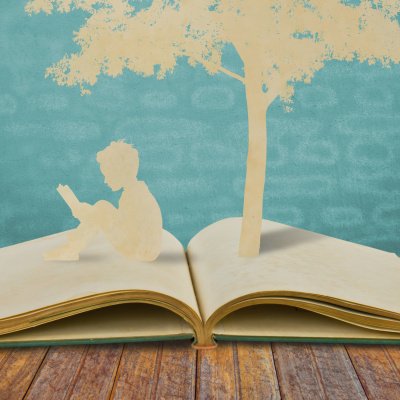
While Narrative Therapy organizes the concrete events of our conscious life, Story Therapy (Cuentoterapia) allows us to enter the preverbal realm through traditional fairy tales, myths, art, and dreams—connecting directly with archetypal psychology (1).
Story Therapy rests on the Jungian premise that folk tales and traditional legends are not merely children’s fantasies or entertainment, but the pure expression of the collective unconscious (1). Over centuries, these stories have distilled and preserved archetypes: universal patterns of the human experience such as the labyrinth, the shadow, the transformative journey, loss, or life trials.
The founders of Story Therapy in Spain structured this approach upon realizing that every traditional tale actually serves as a resolution map for a specific psychic or emotional conflict—such as fear of separation, lack of boundaries, envy, loss, or the quest for self-identity. Embedded within its symbolism, the tale holds humanity’s accumulated wisdom to navigate these crises and find an integrative way forward.
The core mechanism of this approach does not rely on direct exposure of the patient’s personal life, but rather on projection through metaphor (2). When we work in a session with the story of a character navigating a dense forest or deciphering a riddle, rational defenses and intellectual control mechanisms lower their guard.
Analyzing one’s own blockages directly can feel overwhelming or trigger automatic resistance. In contrast, exploring the character’s path provides an essential “safe distance.” The unconscious recognizes the analogy and projects its own internal state—fears, repressed desires, or unintegrated aspects—onto the symbol, allowing emotion to surface and be processed smoothly without the risk of overwhelming the system (3).
The symbol provides the distance the mind needs to name what reason cannot yet comprehend.
From neurobiology and somatic psychology, metaphorical and symbolic language stimulates areas of the right hemisphere and the limbic system far more deeply than purely logical argumentation (4). A story does not offer a conceptual lesson; it allows the organism to experience the resolution at an intuitive and bodily level.
Working with Story Therapy, art, and dreams enables us to:
Give shape, color, and meaning to emotional sensations or blockages that lacked words.
Connect therapy with the language of the unconscious to integrate shadow aspects or untapped potential.
Find creative solutions to internal conflicts, allowing the individual to experience transformation in a deeply lived way.
Story Therapy illuminates the inner world and repairs emotional maps through the power of the symbol.
Research in clinical psychology and neuroimaging demonstrates that processing archetypal metaphors and symbols activates brain networks linked to emotional and somatic integration, facilitating the processing of non-verbal content.
Furthermore, literature on the use of story therapy in clinical settings in Spain highlights that metaphorical projection reduces treatment resistance, promoting emotional expression and strengthening creative coping resources in personal development.
Hernández Pallarés, L. A. (2011). Fundamentos de la Cuentoterapia: El cuento como herramienta de sanación. Asociación Iberoamericana de Cuentoterapia.
Diez, M. (2007). El uso de los cuentos en la psicoterapia: Una perspectiva integradora en el ámbito español. Revista de Psicoterapia, 18(69), 45-62.
Sloan, G. (2005). Projective mechanisms in metaphoric storytelling: Clinical indicators of therapeutic change. Psychotherapy Research, 15(3), 324-336.
Aziz-Zadeh, L., & Damasio, A. (2008). Embodied semantics for actions and language: A neuroimaging review of metaphor processing. Journal of Cognitive Neuroscience, 20(1), 35-49.
Integrating symbols into the healing process is not an escape from reality, but an access point to the deep wisdom that already lives within our unconscious.

Explore how Narrative Therapy helps us externalize daily blockages and construct a self-narrative rooted in authenticity and personal autonomy.
RELATED READINGS


I'm a psychologist specializing in health, the mind-body connection, and personal transformation. I write about psychology, science, and the human experience through an integrative, evidence-informed lens.

© 2026 Beatriz Aroca Costa | Ecology of Being. All rights reserved.