




August 1, 2026
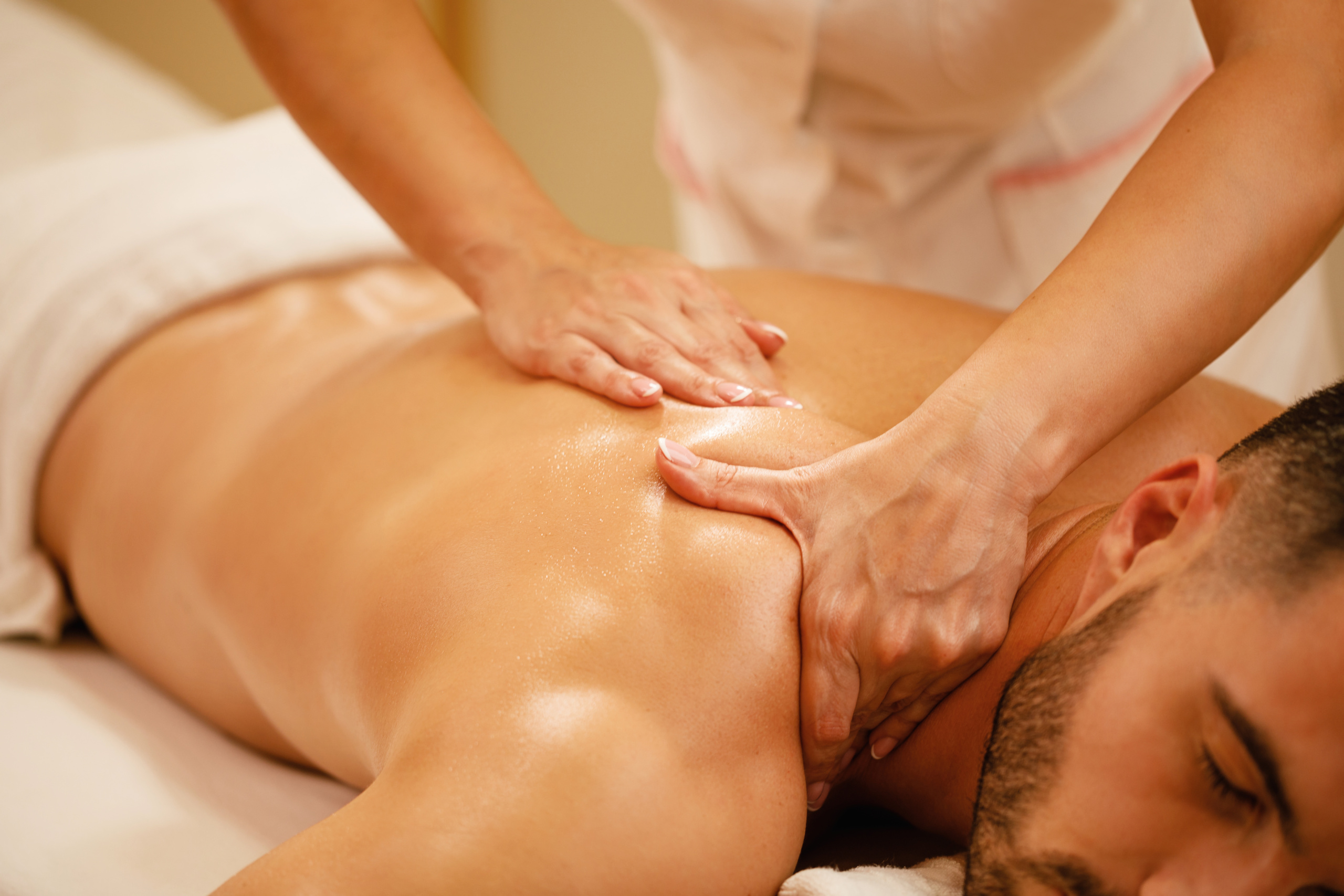
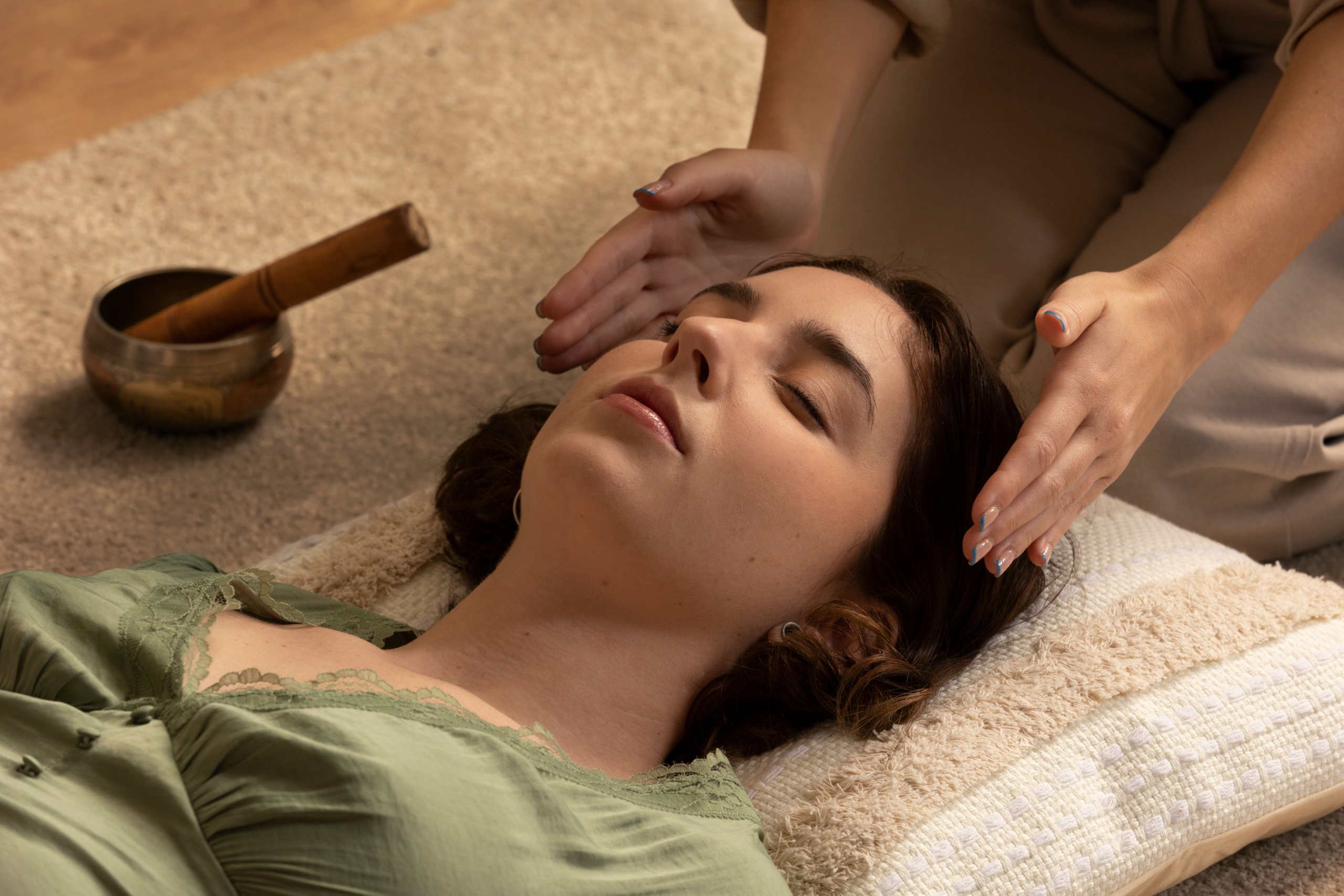
A reflection on therapeutic massage, body perception, and the role of touch in nervous system regulation, emotional wellbeing, and the relationship we establish with our bodies.
In recent years, interest in the potential of massage therapy has expanded far beyond simple relaxation or stress relief. Concepts such as body memory are gaining increasing relevance within the field of integrative health.
Rather than being understood merely as a symptomatic intervention or a relaxing luxury, touch is increasingly recognised as an epistemological pathway: a way of knowing, organising, and healing what the body has silently carried.
The integrative perspective has its roots in classical cultures that already understood the profound interconnectedness between psyche (mind/soul) and soma (body). In Ancient Greece, health was not understood simply as the absence of disease, but as a state of harmony and dynamic balance.
Physicians and philosophers such as Herodicus of Selymbria argued that movement and bodily friction were essential for maintaining overall health. His disciple Hippocrates, considered the father of Western medicine, formalised the use of therapeutic massage (anatripsis), noting that the practitioner should use their hands both to strengthen loose tissues and to relax structures that had become excessively rigid and contracted (1).
Centuries later, Galen would further emphasise the importance of adapting the pressure and direction of touch according to the needs of both the body and the individual, laying historical foundations for principles that continue to inform therapeutic practice today.
Today, modern theories such as embodied cognition and enactive theory support the idea that our physical and mental experiences are deeply interconnected and continuously influence one another.
The body is not simply a “vehicle” that receives commands from the brain: our cognitive processes (thinking, remembering, decision-making) are shaped and constrained by the characteristics of our physical structure. This is a key premise when addressing conditions deeply rooted in bodily experience, such as post-traumatic stress disorder (2).
When the nervous system has been overwhelmed by a painful experience, verbal processing alone is often not enough. The imprint of trauma does not exist solely as a narrative memory within explicit memory systems; it is also reflected in changes in physiological states, muscle tone, and bodily patterns of response.
For this reason, manual contact and tactile stimulation may provide a pathway of access to experiences that words alone may not always reach, especially when defensive responses limit verbal expression.
In this way, knowledge and the mind are not produced in an abstract way inside the skull, but are continuously co-created through the direct, dynamic, and relational interaction between our bodies and the environments we inhabit.
The idea that perception guides action is something we can intuitively understand (for example, when we see an obstacle on the ground and our body automatically adjusts our movement and direction to avoid it).
However, the body is not a passive receiver of information. In order to perceive an object, the whole body participates: we move our eyes, turn our head, adjust our posture, or extend our hands.
This becomes especially evident during early development, when infants gradually come to understand the world through physical exploration and sensory interaction.
The philosopher Alva Noë explained this idea through a powerful analogy: “Perceiving is not like looking at a photograph; it is more like feeling the world with a blind person’s cane.” Our understanding of the world does not emerge from passive observation, but from movement and our potential interaction with it (3).
If perception is a form of action, then a contracted, frightened, or chronically stressed body perceives a very different world from a regulated and secure body.
This is precisely where therapeutic massage and body-based approaches intervene: by changing the state of the tissues, muscular tension, and mobility, we alter the way the body moves and positions itself. We change how it acts — and therefore, we influence what it is able to perceive.
Perception is not simply about receiving information; it is about transforming through our interaction with it.
To understand the depth of therapeutic touch, it is useful to introduce the concept of bodily resonance, developed by psychiatrist and philosopher Thomas Fuchs (4).
Fuchs explains that our body functions as a resonant medium for our emotional experience. Every emotion, fear, or interpersonal interaction influences our muscle tone, breathing patterns, and visceral tension at a pre-reflective level — meaning, before we consciously become aware of it.
This bodily resonance is what “colours” and shapes our perception of the world around us. When bodily resonance becomes altered (for example, when we live in a constant state of defensive contraction or rigidity), our emotional perception of the external world changes accordingly.
Recent research in the field of “touch medicine” demonstrates how tactile stimulation and professional massage can directly influence our interoceptive processes (our ability to sense the body from within) and regulate stress-related pathways within the central nervous system, reducing biological overactivation and restoring a deep sense of safety within the organism (5).
We can conclude, therefore, that whether used to relieve persistent physical pain or to explore a pathway towards emotional processing, therapeutic massage is not merely a passive treatment involving tissue manipulation. It is an active process of dialogue that opens a path towards self-awareness, integration, and deeper healing (6).
Current evidence suggests that therapeutic massage may contribute to reducing anxiety, supporting autonomic nervous system regulation, lowering certain physiological markers of stress, and improving body awareness and internal perception.
1. Arranz B. La Anatripsis en el Corpus Hippocraticum: el origen del masaje terapéutico en la medicina occidental. Rev Filos Med Clásica. 2018;12(2):45-58.
2. Cowart M. Embodied cognition, PTSD and trauma theory. The Philosophers’ Magazine. 2020;(89):84-91.
3. Noë A. Action in perception. Cambridge (MA): MIT Press; 2004.
4. Fuchs T. Embodied affectivity: on moving and being moved. Front Psychol. 2014;5:508.
5. Müller S, et al. Touch medicine: bridging the gap between recent insights from touch research and clinical medicine. Front Psychiatry. 2024;15:1117732.
6. Röhricht F. Body oriented psychotherapy. Psychiatry. 2009;8(4):143-7.
Therapeutic massage does not replace psychological treatment when trauma is present; however, it may become a valuable pathway towards bodily awareness, regulation, and developing a different relationship with one’s own body.
Where exactly does old fear reside within our tissues, and how might touch support the process of recovery? Explore the relationship between fascia, body memory, and nervous system regulation.
RELATED READINGS


I am a psychologist and body therapist specialising in health, the mind-body connection, and human transformation. I write about psychology, science, art, and human experience from an integrative and evidence-informed perspective, exploring different pathways of understanding and change.

© 2026 Beatriz Aroca Costa | Ecology of Being. All rights reserved.